
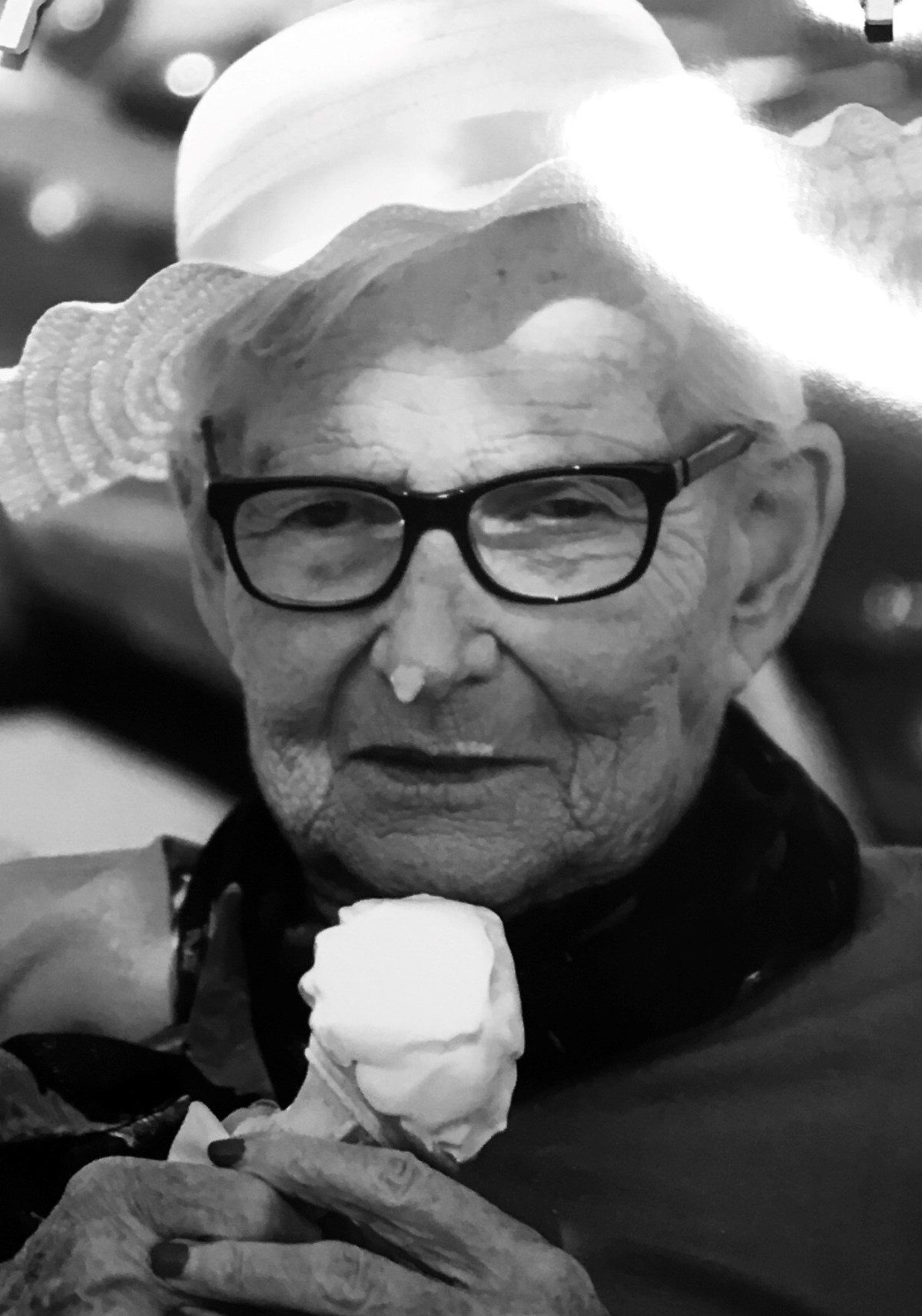
Today, on the fifth anniversary of our Mother’s death, I re-read a chapter from the book that I wrote, and published, at that time:
Reading it was, in one way a memorial to her, as the grief can still be raw and the writing was (still is) the only way that I could find a path through it. I have, in the intervening years, taken on the role of a funeral celebrant – also, in a way, as a memorial to her; and that has become another means by which I can turn the trauma and grief of her loss into something more positive, something that helps others to find their way through.
In so many cases, at the funerals I lead even adult relatives shy away from talking about their experiences; and children, especially, are sheltered and protected from the rituals. The sense of taboo in relation to conversations around death, dying, loss, and grief, are not good for anyone. Since taking on this role, as a Celebrant, I have honestly found life richer and sweeter and I am filled with so much awe at the wonder of life. That hasn’t come by distancing myself from death – which really is a part of life – but rather through getting closer to it, accepting that we can manage it better by talking about it, so that we really can make the most of this one precious life. I urge everyone reading this, regardless of age or circumstance, to consider the importance of having open conversations about death, thinking about how the language we use can ease or inflame any suffering.
Here, I have reproduced one chapter of the book, which might reveal why it is so important; I hope that it helps you to reflect…
Death Planning and non-Religious Absolution
Since her passing I have heard many times of the final weeks, days and moments of those dying of dementia. There are good deaths, and not such good deaths. In contrast to Mum’s, my Father took himself to bed one afternoon, not feeling too bright and believing he had indigestion, and died alone while everyone was out. In hindsight, this sudden heart attack must have been one of the kindest, quickest, if not the gentlest of ways to go. Most of us hope to die, pain free, at home, with our loved ones around us, given the choice. But there are very few who actually achieve this. Most modern deaths are, at best, efficient but clinical, institutionalised, functional and soul-less. What are they at worst? Death from dementia, in my experience, was often harrowing but it could have been less so.
Dealing with the threat of death by dementia meant absolute uncertainty for my Mum, untold anxiety and inexplicable deterioration of her physical and mental condition. She had lost all control, had been in turmoil for so many years because of the lack of diagnosis followed by further turmoil because, once the diagnosis came, there was then the distinct lack of any prognosis. She had no idea what she was facing and no control. Even if the option had been available in the UK, she would probably not have considered euthanasia, one synonym for which is mercy killing, but she may have thought about assisted dying. In any case, it would have been met with vehement and disparate views from those close to her, all of whom dealt as differently with her death as they did with the choices about their own lives.
Although it’s true that there were still many moments of sunshine in those days, she was terminally stuck between trying to live each day as it came, then having these days marred by the shadow of a terrifying and unknown future. The passive and sometimes pleasant experiences she had on a day-to-day basis were on a wholly different plane to being able to make choices and being able to face the things that she envisaged in her future. The two needed a whole different scope and a whole different language. Just think of how the pandemic affected people, those even with the strongest cognition, in the face of such extreme uncertainties and try to appreciate how this manifests to a dementia sufferer.
If you know what to expect and have choices, then it is possible to ensure that death, even with dementia, is a more dignified and peaceful experience, enveloped in love and informed by compassionate and well-intentioned language. We should have planned for this much sooner! She had had no difficulty in planning the legal and funeral elements, by agreeing and signing a Power of Attorney and arranging her own funeral and cremation but we did not think through other aspects that would impact her and us.
In traditional cultures around the world, death is considered an important rite of passage. Not always as the last rite either, but often as an initiation, a journey across a spiritual threshold. In the Western world we are drawing increasingly on traditions from other cultures and ancient skills to ease the passage of those who are dying, as well as to support each other. One of these is the idea of using the expertise, compassion and detached services of a trained soul-midwife. It seems a wonderful philosophy; to have someone with such a worthy objective take on a role to birth someone’s soul at this point of transition – we pretty much plan every other one throughout life, with a birth plan or a wedding plan. It is not morbid nor gruesome to make a mortal exit plan, placing either a full-stop or a semi-colon after your earthly existence and to consider the paths that you want your chosen legacy to lead to after death. I am certain that this would have helped my Mother.
I had an overwhelming sense that there were things she had never been able to voice; secrets that she felt unable to share with her close family, but which frightened her, both in her developing dementia and at the point of her death – especially given the indoctrination of the hell and damnation route she had experienced as her moral code whilst growing up. This controlling threat, her lack of faith, her fear of the unknown made the dementia and the process of dying a terrifying one for her.
It also meant that whilst she still had some cognition, she withdrew from relationships, in fear of letting something slip. This comes from a deep intuition, that if she had been able to find forgiveness, if she had been able to dismiss the deeply furrowed guilt, if she was not afraid of the judgements of her family here on earth and any she might face in any after-life she might encounter; if we had been able to use the kindest words to speak about these harsh self-judgements, taking on some responsibility without taking away her choice, then the inevitability of her death would have been better managed.
The Soul Midwives, founded by Felicity Warner, aims to help the dying and their families to experience death in a better way. Her realisation that a “calm and neutral outsider who could ‘deeply listen’ and support the journey” could bring healing calm to the dying process – a spiritual absolution, in a sense. Mum could have shared those things that she felt unable to share with us.
As a family, we were faced with some controversial decisions not all of which had been discussed, either one-to-one with Mum nor within the wider family – it was almost as if everyone thought that if we avoided the words that were necessary, we wouldn’t tempt fate and the whole situation could be avoided. A death plan relieves considerable burden of decision making from the shoulders of children and creates better opportunities for a peaceful end of life.
It is becoming more widely known that people who wish to limit the care they receive in foreseeable medical circumstances can do so, especially when they feel that extreme measures, meant to prolong life, would negatively impact the quality of any remaining life. But this kind of decision needs to be made by someone with the capacity or competency to do so; everyone has the right to refuse even life-saving medical treatment but not if you are deemed incapable. We had never even thought about having this conversation with Mum and by the time it was necessary she no longer had the ability to speak, never mind with any clarity. Such advance care planning would have meant we were kinder and more respectful when Mum became unable to participate in her own care choices.
I would advocate that this forward planning is vital for everyone – I have several friends now facing agonising decisions, made even more distressing because the means to support and protect their parents were not put in place. Now that their parent is no longer deemed to have capacity, they are faced with the possibility that someone appointed by the court or a medical staff member, unfamiliar with their parent’s wishes, will make those important decisions. To avoid this, lengthy and costly applications and petitions have to be made to the courts, even to access assets to pay for care or funerals, adding stress, even despair of financial collapse on top of dealing with an incapacitated relative. It seems somehow mercenary to be taking this kind of decision when a parent is fit and well and in charge of their own financial and medical decisions. Seeing the distress of my friends now, I realise that it is far less mercenary than their current enforced circumstances.
Decisions about whether or not to activate a DNR were not decisions that could be easily reached – the siblings, and then their children, all had extremely different views on topics as wide ranging as Euthanasia, to the idea of heaven, or re-incarnation or the forever sleep. The last thing that’s helpful at this time are family arguments which create an even bigger chasm than the one that the physical death will cause. I heard told stories of literal physical tussles between families over death-bed interventions because wishes had not been explicitly expressed. We were not guilty of that level of disagreement but, if we had been able to more openly discuss what Mum wanted, in more explicit detail, there would have been less angst and distress – both for her, and for us.
We had, several times, requested that the nursing home call us before calling an ambulance when she had fallen but time and time again, we would find ourselves called out to the local A&E department to find her sitting in a corridor, surrounded by dramatic emergencies, sirens, and medical staff who did not have time to soothe her. She was utterly bewildered, scared and pitiful. The decision to send her wasn’t in her best interests in any way – it was to protect the care home from any accusation of neglect, it was to pass the responsibility on to a more senior medic. I understand their position entirely and don’t blame them, but the most basic of human needs and the most compassionate care were utterly lost in fear, blame culture and legalities. And the hospital staff, without an explicit legal directive from her or us, were trained to administer physically aggressive interventions such as CPR to prevent her death. But there would have been no medical benefits of CPR for my Mum. Her bones were so frail they’d have splintered or broken. If the fall had led to concussion, what were they going to do? Operate on her to relieve pressure?
The ‘Do Not Resuscitate’ order that we had requested is not as controversial as it seems, especially when you have an opportunity to discuss it in a formalised, written death plan, before it becomes necessary.
However, the steps of the ‘Liverpool Plan’ that were eventually put into place were moreso – technically, the procedure is no longer termed as such because an independent government review in 2013, found failings in its use, mostly linked to the target setting and cash incentives that some hospitals embraced, but the steps it employs continue as they deemed that, when used properly, it can assist in a comfortable, dignified and pain-free death.
After Mum’s final stroke – she had had several mini-strokes, apparent because of their impact on her speech and possibly her sight – she could not get up, was unable to swallow, struggling even with her own saliva, and cried out…unintelligible words but clearly, she was very afraid. The decision to place Mum on a driver was made after a third GP came to the nursing home to make an assessment. As a family, my three siblings and I were, by now, distraught, being unable to alleviate this suffering – hers and ours. If she were to ‘recover’ from this stroke, would she be able to leave her bed again? Could she eat of her own free will? Or was choking to death a possibility? Could she see, or had she lost her eyesight? Would any speech return or would she be completely unable to communicate, even in grunts? For weeks prior to this stroke, she was unable to get out of a chair or to walk without the support of two assistants. I had been most upset one day to discover that, when she needed cleaning up after another episode of incontinence, there was a dispute because one GP had suggested she could be encouraged still to walk to the toilet, another had advised that she was hoisted and transported. I am sure both GPs could justify why this was in her best interests, and both would be right in those justifications, but in the meantime because there was not one clear determined path, my utterly bewildered Mum was at the centre of a tussle.
I supported the option of placing her on this syringe driver, endorsed by my brothers, because, out of the two alternatives, it seemed the kindest, the one that would alleviate both her pain and her agitation, but I was making this choice based on assumptions and not experience. I was not prepared for the distress that her dehydration caused – Mum was on the driver, with nil by mouth for ten days – and she would snap her mouth shut, clamping it around the moistened bud that we used, and I did not realise at all that we were effectively starving her to death. My naivety then has led to me being much more informed now – whilst there is much controversy about end-of-life care there is also so much more information available to help to make informed choices.
The high-profile disputes that appear in the media about such palliative end-of-life care do not help. Some, such as the six doctors who belonged to the opposing Medical Ethics Alliance, will argue that “natural death is more often painless, provision of fluids is the main way of easing thirst, and no one should be deprived of consciousness except for the gravest reason.” Whilst others, such as those who produced the cluster phase II trial conducted in Italy, support this as a humane way to manage, highlighting that it significantly enhanced the four dimensions that it surveyed: respect, kindness and dignity; family emotional support; family self-efficacy; and coordination of care.
These conversations were a painful addition to those we had engaged in with social services. In an effort to ensure that we had a more cohesive approach to co-ordinated care, we worked with the nursing home staff to instigate an assessment for a Continuing Health Care plan. Despite the clarity in the wording of the assessment document, there was a distinct lack of clarity in how bad my Mother’s condition had to be in order to access any of that support; it became apparent that she was on trial against a system which valued the gatekeeping of resources above providing for the most basic of her needs, never mind the holistic care of which she was so deserving. I was informed by the assessor that she was just on the cusp of receiving a plan on the morning of her death.
Although I am absolutely certain that social services made the wrong choices back then, driven by inadequate funding for provision, I now understand that we absolutely made the best choices that were right at the time; that requesting artificial hydration or nutrition, through tube feeding or subcutaneous fluids, would not have been an option for Mum. In fact, this forms part of the NICE-SCIE Guidelines but we were not to know this at the time. And now I know that there is no evidence that it would have helped to improve the quality of her final days. But I bore the guilt of this for a long time because we had no strategy and were not working together in a cohesive team. With some careful thought put into planning, however distressing it may seem at the time, it is less disturbing than shouldering the burden of decision making at critical times.
We can develop resilience to discover that the moment of death does not need to be terrifying, nor painful. It is possible to enable greater control over a dreaded future and to aim for death to be a more tranquil cessation of the functioning of the body. But this requires a consistent and cohesive approach and despite the lofty goals of organisations such as The Alzheimer’s Society and The Leadership Alliance for the Care of Dying People there is insufficient statutory force to care for dementia patients at any time, not least at the point of death.
The following poem is one that I wrote when I realised that, just after we walked away from her, carrying her clothes in a plastic bag.
In the Blink of an Eye
It seems as if the whole of the past happened just yesterday.
The memories of one lifetime in one parcel locked away.
It isn’t right, it doesn’t give their rightful magnitude:
Momentous joys, and searing pains reduced and devalued.
But then realisation
We should never wonder why …
It’s the same for all, our lives speed by
And it’s gone in the blink of an eye!
Our selfish world chases money while our earth is raped and bled.
We talk of sustainable energy, yet we won’t really care when we’re dead!
We should seek sustainable harmony, treat the earth and its people with care.
For so many more, can walk through life’s door and know it’s okay if we share.
Oh happy realisation!
We should live in the moment, aye!
Let our souls create love and breathe simple peace,
For it’s gone in the blink of an eye.
Our elders, they say, we should nurture; and their wisdom we should respect.
But, in fact, this is just a platitude to which corporates show wilful neglect!
We think in a civilised country they’d have access to good health and care,
To feel loved and secure, know compassion endures but often there’s no kindness there.
Oh stark realisation!
Existence dismissed with a sigh…
No longer of worth, when you’re old on this earth,
And you’re gone in the blink of an eye!
We make war on hate and we fight for peace and we educate our youth.
But honesty’s not a virtue when we don’t really want the truth!
We should love those who live long, breathe their peace in and out, and teach our youth to think…
For it’s meaningless unless we are love when we know that it’s gone in a blink.
Oh! blissful realisation!
The irony of life is death;
In the blink of an eye, please don’t wonder why.
Simply love and be loved in each breath.
 Latansani